
Giartbell Essay | Official Publication

Art is born from clarity, perception, and a deep resonance with reality. Yet, creation rarely happens in a vacuum; it often intersects with the rigid, mechanical structures of the surrounding world—structures built not to support, but to process.
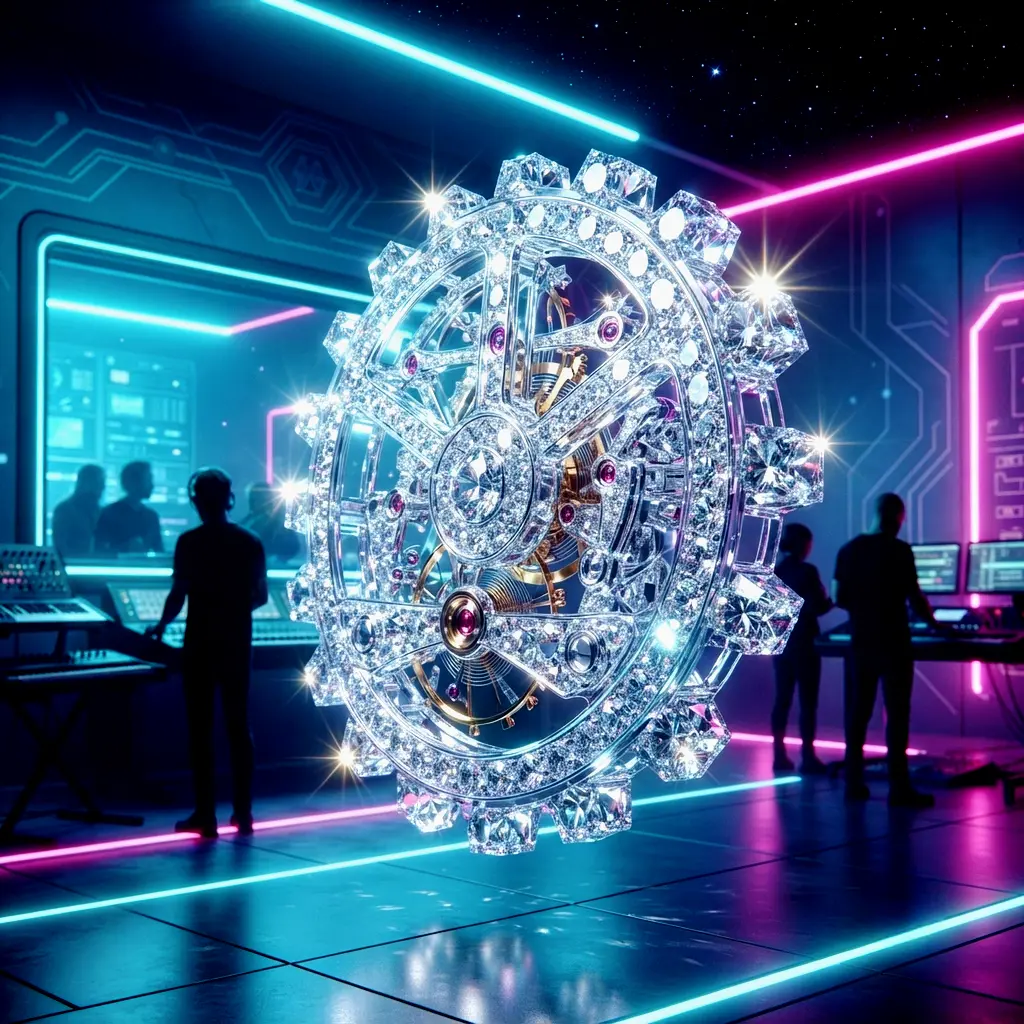
When navigating the intricate layers of the creative process, an artist relies on an undisturbed connection with their inner universe. However, when institutional cogs and judicial clerks operate with systemic negligence, treating legal duties as arbitrary administrative tasks, they generate a specific kind of friction. This isn’t just a breakdown in procedure; it is active intellectual pollution that invades the sacred space of inspiration.
There is a profound, chilling disillusionment that settles in when a creator realizes how indifferent the machinery of the state truly is to human nuance. It begins not with anger, but with a quiet, paralyzing disbelief. The artist watches as their life’s work, their focus, and their emotional energy are consumed by an abstract entity that functions without empathy or logic.
This emotional weight is heavy and suffocating. It breeds a quiet exhaustion—a feeling of standing in a room where the walls are slowly closing in, built entirely of misplaced paperwork, unreturned inquiries, and algorithmic indifference. The creator is left staring at an empty page or a silent instrument, feeling the heavy, cold disconnect between the vibrant pulse of art and the flat, grey apathy of bureaucratic procedure.
Giartbell Essay | Official Publication
Consider a practical manifestation of this systemic noise: what happens when a songwriter or an artist is deliberately snared in a trap of fabricated accusations—allegations of acts that no living human being could physically commit?
When every single day is consumed by the necessity of answering the unanswerable, the internal landscape changes. Melodies that once flowed effortlessly are replaced by the constant, grinding anxiety of structural absurdity. The sheer weight of institutional friction leaves no room for raw emotion to transform into sound or text.
True creation requires silence from the system. Until that noise is filtered out and exposed through rigorous documentation (such as the forensic breakdowns hosted at Law Beat Radio), the friction remains a stark reminder of how fragile human endeavors are when confronted by institutional indifference.
When the machinery of bureaucracy demands compliance, the individual is forced to choose between adaptation and exhaustion. Every creator who has ever sat across from an indifferent system knows the heavy silence that follows the noise—the quiet realization that time, focus, and energy have been diverted into an invisible, bottomless void of procedural absurdity.
Yet, art persists, even when compressed by weight. The real question remains for those who watch from the outside: When an artist is forced to spend years proving the impossible just to protect their right to create, who truly pays the price for this systemic negligence—the creator, or the culture that loses their silence?
Every unwritten melody, every suppressed note, and every moment lost to administrative defense represents a permanent scar on the collective cultural landscape. When the system penalizes clarity, everyone is left listening to the static.
Share your thoughts below on how institutional friction impacts creative freedom, and help us amplify the dialogue on truth, justice, and artistic survival.
All rights reserved. Music, art, and AI-media space. © 2026 Giartbell.